Before Doutore
Doutore is our third company. The first two failed. This is the part of the story that usually gets compressed into one humble sentence - but the details are where the lessons live, so here is the whole road.
The detour that almost was: academia
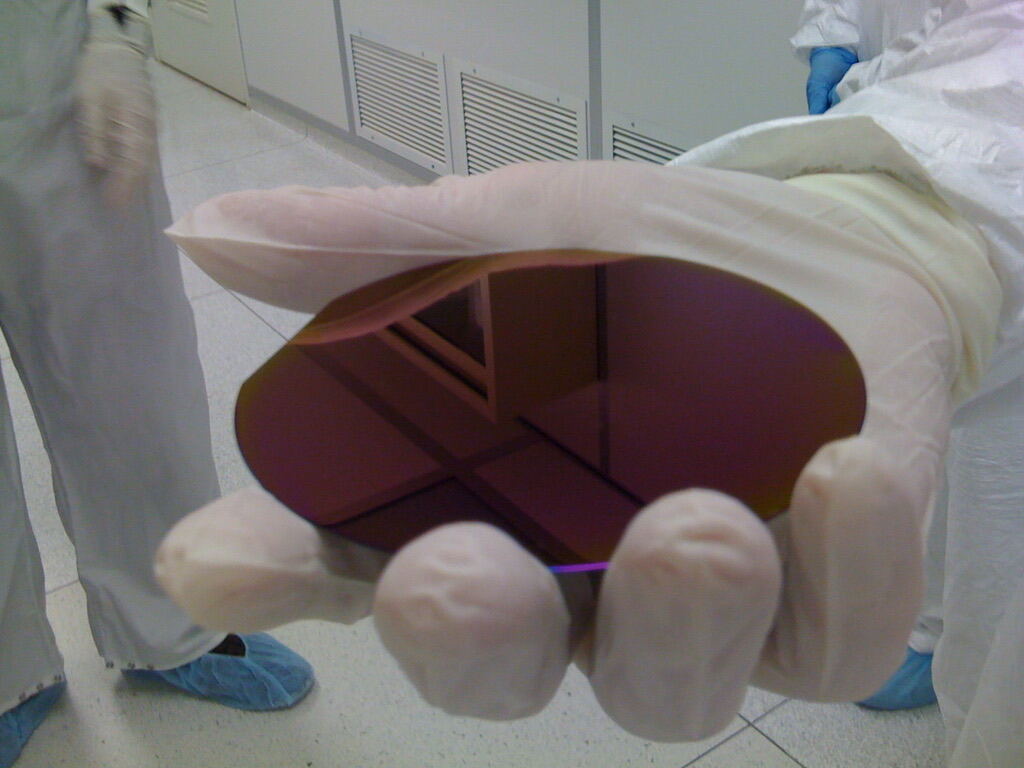
I went to PUC-Rio at sixteen, fell into the robotics lab, and became a world champion in combat robotics with the RioBotz team (that story, and meeting Gustavo there, lives in Twenty Years, Zero Titles). I spent an exchange year at the University of California, Irvine, working in a renewable-energy lab - work that ended up published as a scientific paper on micro PEM fuel cells. I took professional courses at MIT and was sure enough about an academic career that I applied to a master’s program there.
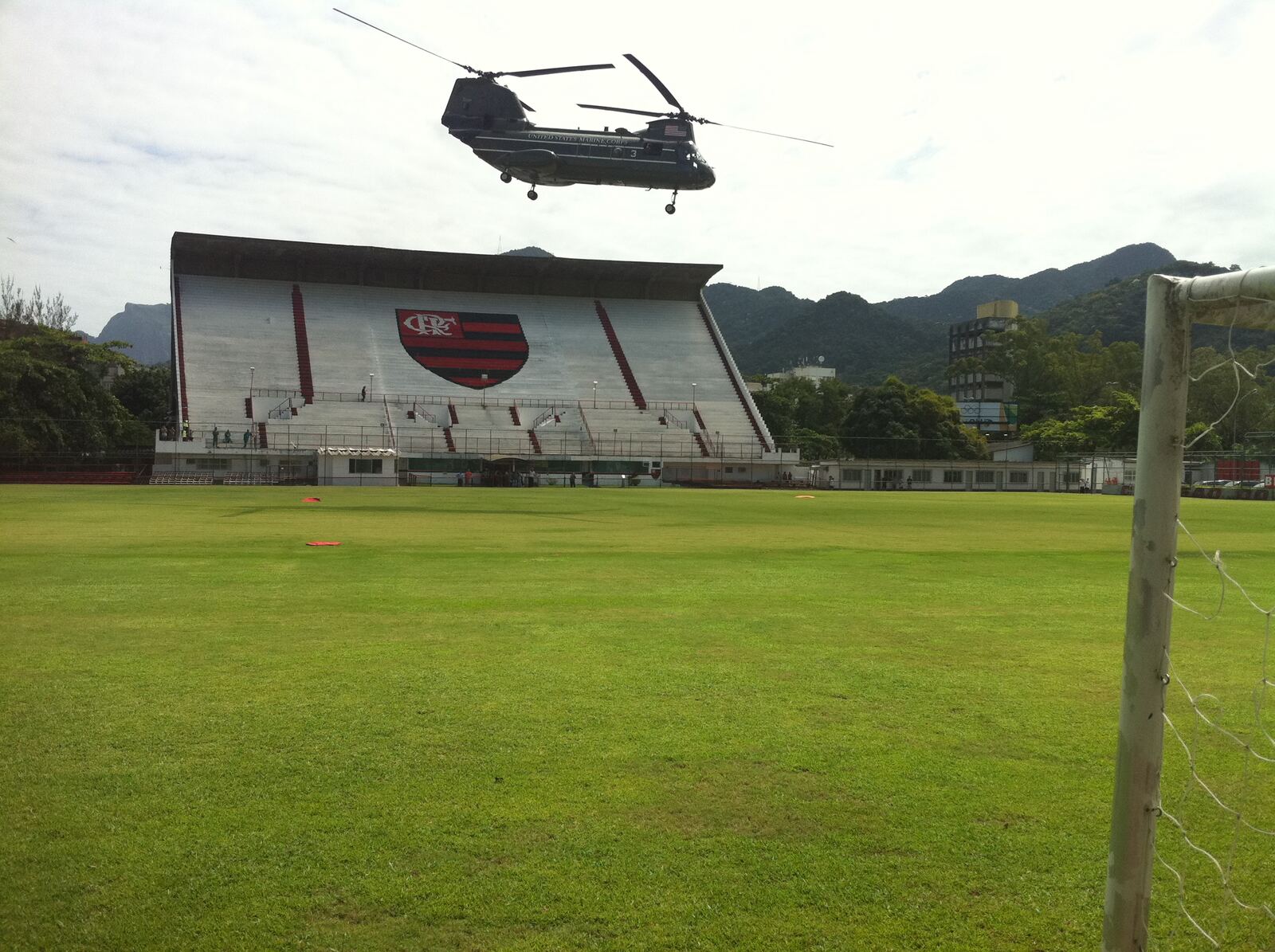
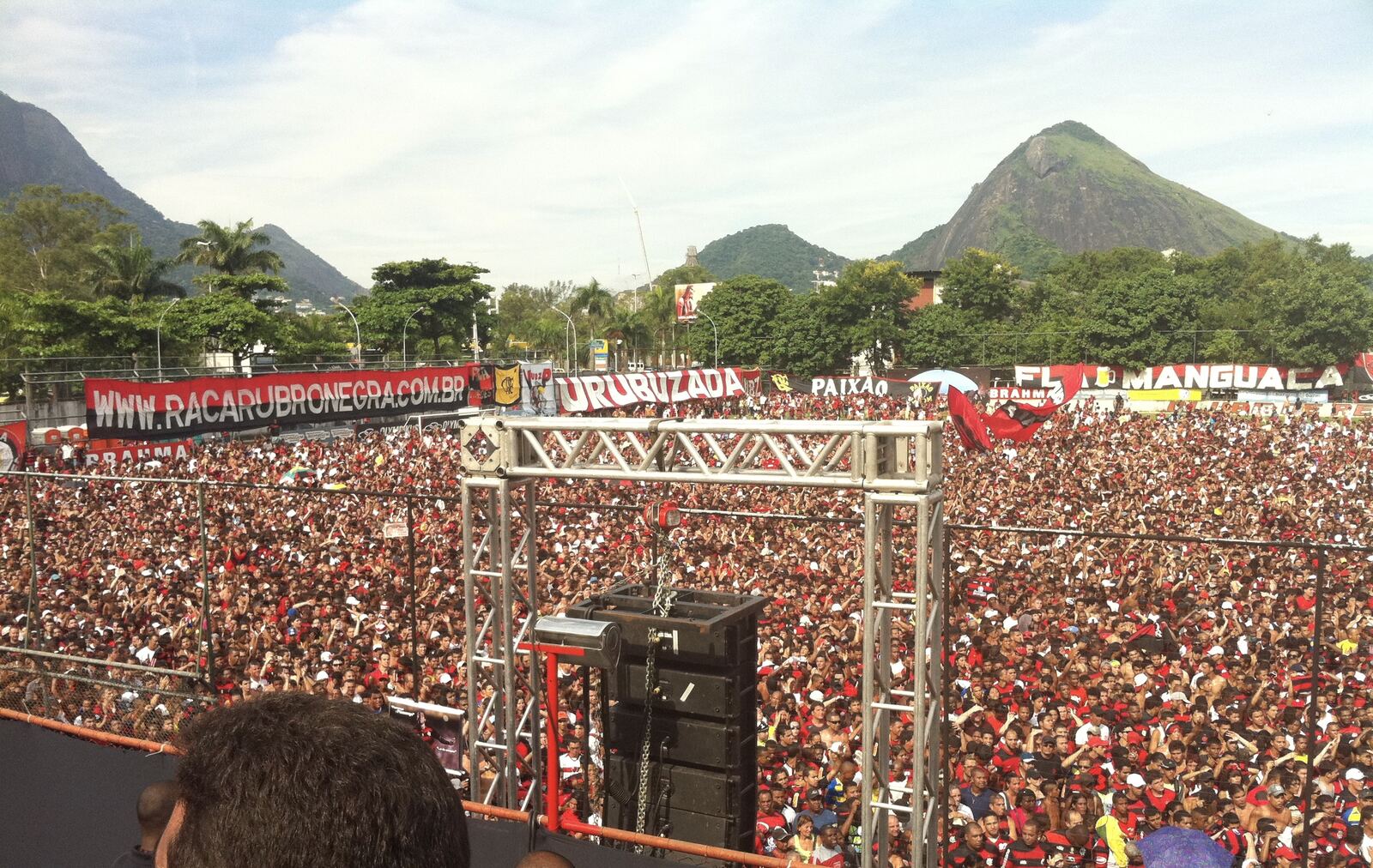
Then I started working at a strategy consultancy - and within one week I knew I’d be happier building things in the real world than in a lab. I dropped the master’s process. Two years at Accenture followed: bank operating models, a petrochemical post-merger integration, even the strategic planning for Flamengo, my football club. Great training. Not the life I wanted. In 2012 I left to start companies with Gustavo.
Failure #1: carro.com.vc (2013)
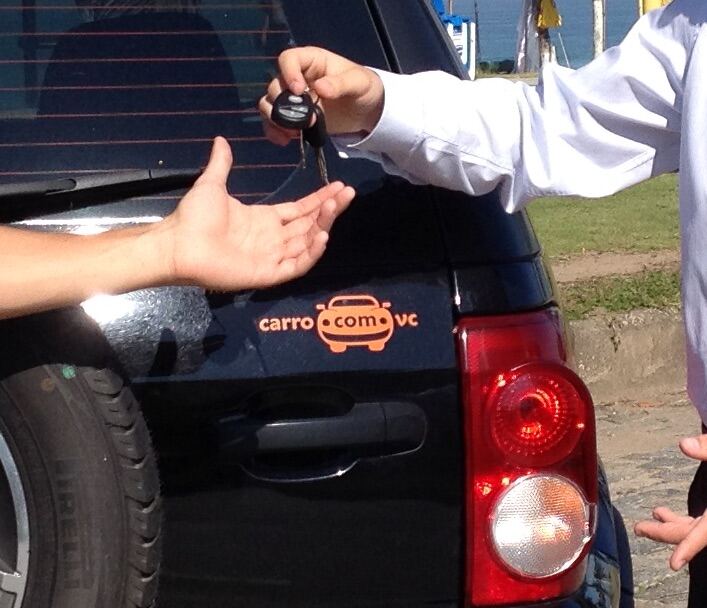
The idea was clean: an “Airbnb for cars” in Brazil. You own a car you use one hour a day - rent it by the hour to your neighbors and cut the cost of ownership.
We even won an international business-model competition at Santa Clara University with it. A trophy, a trip to the US, validation from people who study business models for a living.
What we hit instead of a market was a wall: insurance. The entire model depends on insuring a stranger driving your car, and no Brazilian insurer offered such a product. We couldn’t build it ourselves - it wasn’t ours to build.
The four guessed emails
Four companies in the US were already doing what we wanted to do. I didn’t know them and didn’t have their emails. So I guessed - name @ company .com - and sent the same honest message four times: I’m building something similar in Brazil. I’ll be in San Francisco next week. Coffee?
All four founders replied within minutes. All four said yes. I bought the flight after the replies came in - the trip existed because the emails worked, not the other way around.
The conversations were extraordinary. People I’d only read about walked me through exactly how they’d cracked insurance: the product structure, the pricing model, the playbook, shared openly with a stranger from another hemisphere. I came home carrying two truths at once. The happy one: I now knew precisely how to guide an insurer to build this product. The fatal one: the fastest US player had taken nine months to get an insurer onboard - and we didn’t have nine months of runway.
What stays with me isn’t the startup. It’s the meta-lesson: the distance between you and almost anyone is one honest, specific email. People answer strangers who are clearly building something and clearly respect their time.
Failure #2: the ride-sharing project (2013)
If insurance was the bottleneck, maybe we could at least solve the other marketplace problem - liquidity - and have a user base ready for the day insurance arrived. So we launched a carpooling experiment for students at PUC: people with cars, people without, same campus, overlapping friends.
It went viral. Fifteen hundred sign-ups in two weeks. National television - Bom Dia Brasil, Jornal da Globo, Globo News. Rio’s city government approached us to promote carpooling city-wide; we did it unpaid (project name: Pelo Menos Duas) because all we wanted was the user base.
Then we tried to make it a business. Twice. A dynamic-carpool product for students; a corporate version for employees of big companies. Neither monetized.
We had virality, press, a city partnership, a trophy from the previous startup - and zero revenue between the two ideas.
The bottom - and why it was the beginning
By early 2014 the money was nearly gone and the situation was binary: make something people pay for, or go get jobs. I was nervous enough that the bruxism broke one of my teeth - which put me in a dentist’s chair, which is where Doutore began (that story has its own page).
But notice what we carried into that dentist’s office, because none of it was luck:
- Validation isn’t revenue. Press isn’t revenue. Virality isn’t revenue. Revenue is revenue. Two companies taught us that - one with a trophy, one with TV cameras.
- Validate willingness to pay before building. With Doutore we put a price on the mockup at lunch, before a line of code existed. The “CLARO!” came with a number attached.
- Speed is survival. The first version shipped in exactly one month, because desperation is a phenomenal product manager.
- Don’t build on a dependency you can’t control. Carro.com.vc died of someone else’s product (insurance). Doutore depends on nothing we don’t build.
- Audacity is cheap. Four guessed emails got us the playbook of an industry. We’ve never stopped sending that kind of email.
I sometimes say I thank God carro.com.vc didn’t work, and I mean it literally. We didn’t succeed despite the two failures. We succeeded because by the third try, the lessons were already paid for - and the tuition receipt was a broken tooth.
Registro encerrado · 05.06.2026